On this page
On this page
6 min read
Most of your training fleet just became eligible for a certificate that needs nothing more than a driver’s license to fly. Most flight schools have no idea, and no plan to market it. The FAA’s MOSAIC rule is the biggest expansion of recreational flying in twenty years, and it rewards the schools that understand it first. Here is what actually changed, and what it means for your enrollment numbers this year.
What MOSAIC Actually Is
MOSAIC stands for Modernization of Special Airworthiness Certification. It sounds like a mouthful, but the idea behind it is simple. The FAA changed the rules for who can fly what, and it changed the rules for how new airplanes get built.
There are two separate changes here, and they matter for different reasons. The pilot-side change took effect October 22, 2025. The aircraft-manufacturing change takes effect July 24, 2026. Confusing the two is the single most common mistake schools make when they talk about MOSAIC.
The pilot-side change is the one that matters to your enrollment numbers today. For twenty years, the sport pilot certificate was the fast, cheap on-ramp into flying. A student needed about half the hours of a private pilot, and instead of an FAA medical exam, a valid driver’s license was enough for daytime flying. The catch was the airplane. Sport pilots could only fly light-sport aircraft, capped at 1,320 pounds and two seats. Most schools never owned one.
MOSAIC threw out the weight cap. Instead of limiting sport pilots by how heavy a plane is, the FAA now limits them by how slowly it can fly before it stalls. If an airplane’s clean stall speed sits at 59 knots or below, a sport pilot can fly it, no matter the weight or seat count, as long as they still carry only one passenger.
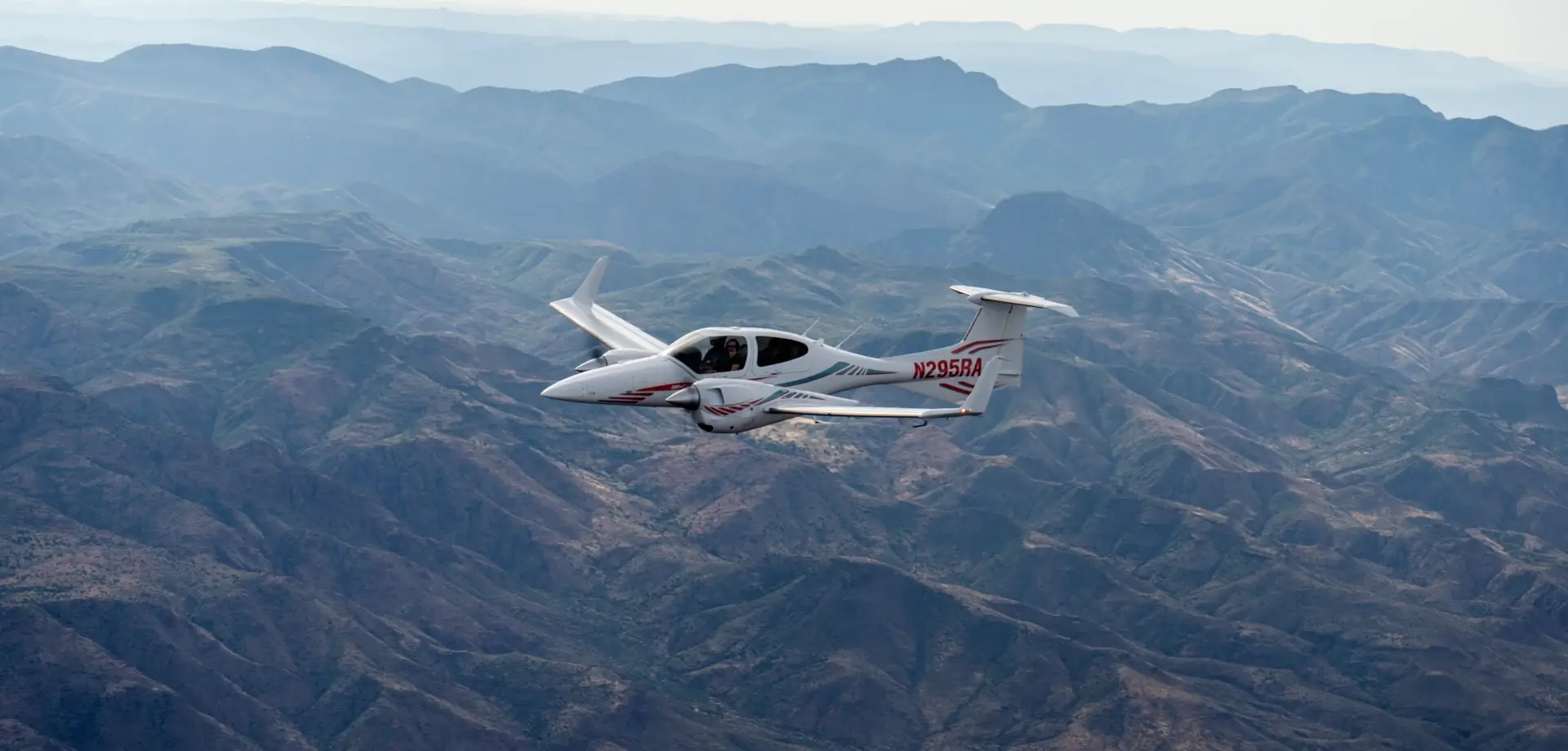
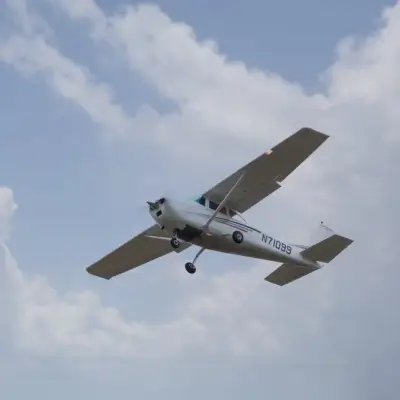
That single change reshapes your fleet roster overnight. Familiar four-seat trainers you already own, including the Cessna 172, many Piper Cherokees, the Cessna 150 and 152, and several Diamond models, now fall inside what a sport pilot can fly. The FAA has confirmed the 172 specifically clears the bar. Industry estimates put roughly 60 to 75 percent of the existing general aviation fleet within sport pilot reach.
Turn Your Existing Fleet Into New Enrollment
Here is the part worth sitting with. You probably do not need to buy a single new airplane to act on this. The planes on your ramp right now can likely serve a student population you were not marketing to a year ago.
That is a different kind of opportunity than most regulatory changes bring. It does not require capital. It requires repositioning what you already have and telling the right prospects about it. A dedicated Sport Pilot page on your website, a discovery flight package built around the driver’s-license medical path, and a little repositioning of your existing 172s can start moving the needle within weeks.
This is exactly the kind of shift the Flight School Marketing System is built to capture. Strategic positioning plus a conversion-ready website plus the right lead engine turns a regulatory footnote into a real enrollment channel. Most schools will read about MOSAIC. Very few will act on it fast enough to matter.
The Part Everyone Gets Wrong
Every manufacturer ad and aviation forum post about MOSAIC right now makes it sound like brand-new, more capable light airplanes are landing on ramps this summer. They are not, and any marketing plan built on that assumption will age badly fast.
New Aircraft Aren’t Here Yet
The July 24, 2026 change is aimed at manufacturers, not pilots. The FAA is replacing the old light-sport aircraft definition with a new certification framework, called Part 22, that lets companies build heavier, faster, more modern light aircraft for a fraction of the cost of a fully certified airplane.
The problem is timing. As of the FAA’s own standards tracker, updated in May 2026, the industry consensus standards these new aircraft need were still marked “coming soon.” Without accepted standards, manufacturers cannot certify anything against them. Early movers like Tecnam are projecting first deliveries in early 2027, not this summer. Treat new MOSAIC aircraft as next year’s story, not this month’s.
What Isn’t Changing
Sport pilots remain VFR only, with no instrument privileges, and they still carry just one passenger even in a four-seat airplane. A Cessna 172 flown by a sport pilot does not become a light-sport aircraft. It stays a standard-category, type-certificated airplane, maintained exactly the way it always has been.
Existing light-sport aircraft are grandfathered too. They keep their original weight cap and speed limit for life. There is no upgrade path that turns an old LSA into a new one under the higher limits.
What This Means for Your Enrollment Numbers This Year
The honest read is this: the real MOSAIC opportunity for 2026 is not a fleet purchase decision. It is a marketing decision. You already have the airplanes. The question is whether your website, your ads, and your front desk conversation reflect the fact that a much wider group of prospects can now train in them.
That includes lapsed pilots who stopped flying over medical worries, cost-sensitive first-timers who never thought flight training was in reach, and the large group of people who always wanted to learn but never took the first step. All of them can now consider day VFR training on nothing more than a driver’s license, provided their last FAA medical was not denied, revoked, or suspended.
We built the rest of this series to walk through exactly how to capture that opportunity: auditing your fleet in five minutes, deciding whether new aircraft are worth waiting on, opening new billable revenue lines, and winning back the students you already lost. If you only read one post in this series, make it this one, because everything else builds on the two-phase structure explained here.
Frequently Asked Questions
Can a sport pilot really fly a Cessna 172? Yes, if the airplane’s clean stall speed is 59 knots or below and the pilot carries only one passenger. The FAA has specifically confirmed the 172 qualifies, though individual owners should still check their aircraft’s published stall speed.
Do I need to buy new airplanes to benefit from MOSAIC? No. Most flight schools already own aircraft that qualify under the new stall-speed rule. New MOSAIC-specific aircraft are not expected to be available for purchase until roughly 2027, so the near-term opportunity is marketing the fleet you already have.
Does my current light-sport aircraft get the new, higher limits? No. Existing light-sport aircraft are grandfathered at their original weight cap and speed limit. The new limits only apply to aircraft certified under the new Part 22 framework once it takes effect.
Ready to Turn MOSAIC Into Enrollment?
MOSAIC handed flight schools a rare thing: a way to reach new students without spending a dollar on new aircraft. The schools that market this well in the next few months will build a head start that is hard for competitors to close later. Right Rudder Marketing already has a running start on this topic, and we built a full growth plan around it.
Schedule a free strategy call and we will show you exactly how to position your existing fleet for the sport pilot market, or join our July 30 webinar for the full operator’s playbook. Either way, the students are searching for this right now. The only question is whether your school shows up when they do.