On this page
On this page
9 min read
Every flight school owner faces this question before any other operational decision: do you buy your training aircraft or lease them?
Most owners answer it based on gut feeling, advice from a friend at the airport, or whatever their accountant happens to suggest. Very few run the actual math. That is a problem, because this single decision determines how much capital you need on day one, how much risk you carry, and how fast you can grow.
Here is the math. Both sides, line by line, so you can make this decision with numbers instead of instinct.
The Real Cost of Buying
Buying aircraft feels like the obvious move. You own an asset. You build equity. You control the plane. But the purchase price is only the beginning of what you will actually spend.
Purchase Price
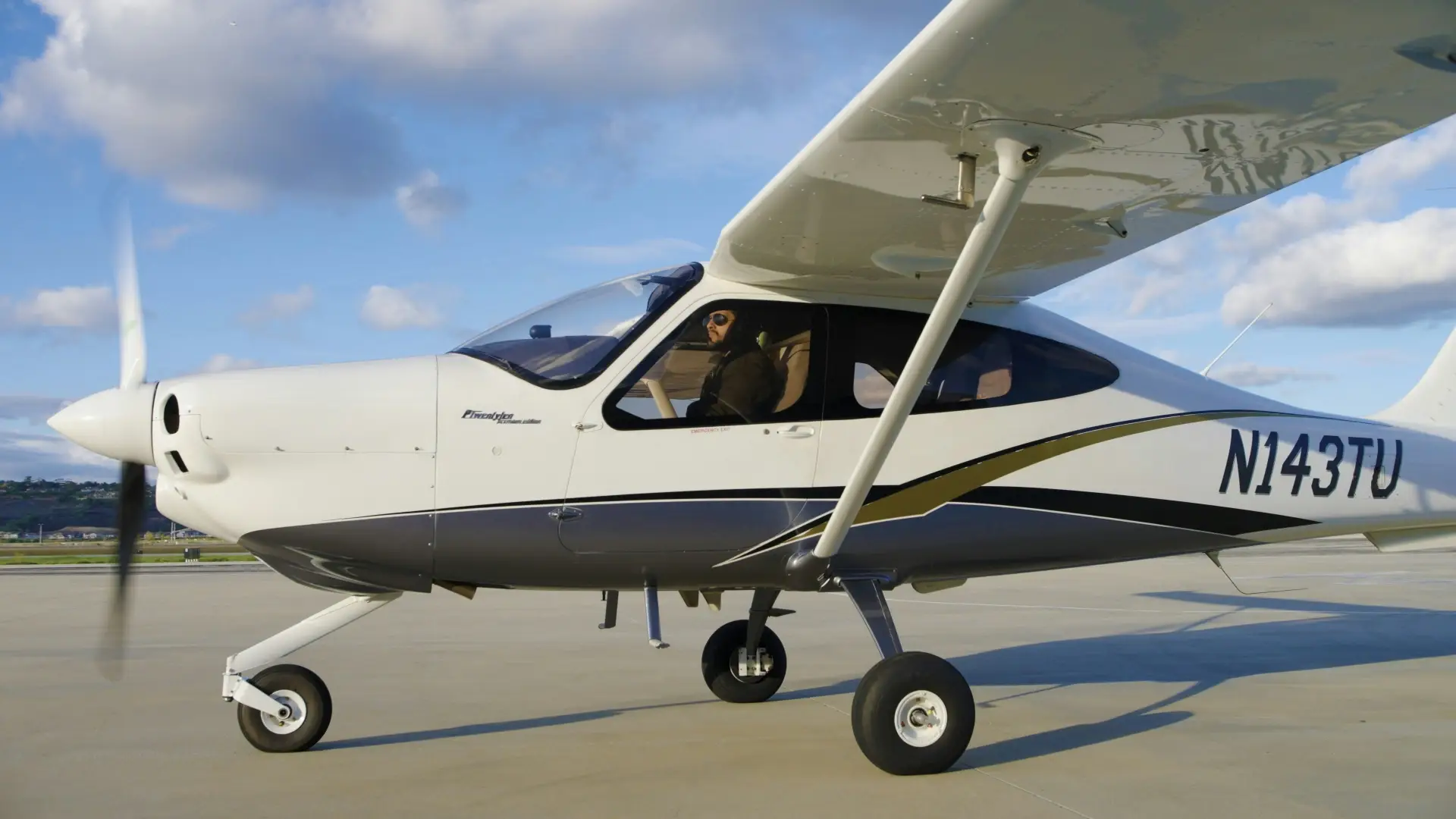
A new Cessna 172 Skyhawk costs roughly $480,000 to $500,000 in 2025 dollars. A well-maintained used 172 with updated avionics runs $150,000 to $250,000. A new Piper Archer sits in a similar range to the Skyhawk. Used Archers and older 172 models can drop below $100,000, but you are trading reliability and avionics modernity for a lower sticker price.
Most training operations need a minimum of two aircraft to run a functional schedule. That puts your fleet purchase cost at $300,000 to $1,000,000 before you spend a dollar on anything else.
Ongoing Ownership Costs
The purchase price gets you the aircraft. Keeping it flying costs more. Plan for these annual expenses per aircraft:
| Ownership Cost | Estimated Annual Range |
|---|---|
| Annual inspection | $5,000 to $15,000 |
| Unscheduled maintenance | $5,000 to $20,000 |
| Hull and liability insurance | $8,000 to $25,000 |
| Hangar or tie-down | $3,000 to $18,000 |
| Engine reserve fund | $3,000 to $8,000 |
Total annual ownership cost per aircraft: roughly $24,000 to $86,000, depending on your aircraft age, your location, and your utilization rate. For a three-aircraft fleet, that is $72,000 to $258,000 per year in costs beyond the purchase price.
The Equity Argument
Ownership advocates point to equity. You own the asset. It has resale value. That is true, but training aircraft depreciate differently than most owners expect.
A new aircraft depreciates fastest in its first five years. A used aircraft holds its value better but often requires more maintenance. The net equity position after five years of heavy training use is almost always lower than owners project on paper.
And here is the part that gets overlooked: every dollar tied up in aircraft equity is a dollar that cannot go toward marketing, instructor hiring, facility improvements, or expansion. Capital is finite. Where you park it matters.
🔗 Full startup cost breakdown: Post 1: How Much Does It Really Cost to Start a Flight School?
The Real Cost of Leasing
Leasing trades equity for flexibility. You do not own the aircraft. You pay a predictable monthly fee to operate it. And for many flight school owners, especially at startup, that trade-off makes strong financial sense.
How Leasing Reduces Your Startup Capital
Leasing can cut your upfront aircraft costs by up to 40 percent. Instead of writing a $300,000 to $500,000 check for two aircraft, you sign a lease agreement and start flying for a fraction of that amount.
That freed-up capital goes where it creates faster returns: marketing, instructor compensation, facility buildout, or a cash reserve that lets you survive the first year without panic.
Common Lease Structures in Aviation Training
Not all leases work the same way. Flight school owners typically encounter three structures:
Dry Lease. You lease the aircraft and handle all operating costs yourself: fuel, maintenance, insurance, inspections. You control the plane’s schedule and maintenance program. Monthly payments are lower, but you carry all the operational risk and cost.
Wet Lease. The lessor provides the aircraft fully maintained and insured. You pay a higher monthly rate, but your operational burden drops significantly. This structure works well for schools that want to add capacity without adding maintenance complexity.
Leaseback. An aircraft owner places their plane with your school. You operate it for training, pay the owner a share of the revenue, and handle the flying. The owner gets income and flight time on their aircraft. You get a training platform with zero purchase cost.
Leasebacks are common in flight training because they benefit both parties. The risk is that leaseback owners can pull their aircraft if the arrangement stops working for them. Your fleet stability depends on someone else’s decision.
The Flexibility Factor
Leasing lets you scale your fleet up or down based on enrollment. If you add 15 students in a quarter, you can bring on another leased aircraft within weeks. If enrollment dips, you are not stuck with loan payments on a plane sitting in the hangar.
For new schools testing an unfamiliar market, this flexibility can be the difference between surviving a slow first year and burning through your cash reserve.
The Decision Matrix: When to Buy, When to Lease
This is not a one-size-fits-all question. The right answer depends on your capital position, your timeline, and your growth strategy.
Buy When You Have Capital and a Long Horizon
Buying makes the most sense when three conditions are true. First, you have the capital to purchase without draining your working capital or marketing budget. Second, you plan to operate for five or more years. Third, you want to build long-term equity in assets you fully control.
If all three are true, ownership gives you lower per-hour operating costs over time, full control of your maintenance program, and an asset you can sell or refinance if your business needs change.
Lease When You Are Starting Up or Testing a Market
Leasing makes the most sense when you are launching a new school, entering a new geographic market, or operating with limited startup capital. The lower upfront cost preserves cash for marketing and operations. The flexibility protects you from overcommitting to a fleet size before you know your actual demand.
Leasing is also the better option if you are uncertain about your five-year plan. If there is any chance you might relocate, pivot to a different training model, or exit the business within three to five years, owning depreciating aircraft adds risk without enough time to recoup the equity.
The Hybrid Model
Many successful schools use a hybrid approach. They own their core fleet, typically two to three aircraft they fly every day, and lease additional aircraft to handle demand spikes, seasonal surges, or enrollment growth.
This gives you the stability and lower per-hour costs of ownership on your highest-utilization aircraft, plus the flexibility of leasing on the margin. It also lets you test new aircraft types (multi-engine trainers, complex aircraft for commercial training) without committing $300,000 or more to find out whether student demand justifies the investment.
How Your Fleet Decision Shapes Your Brand
This is the section most flight school owners never think about. Your fleet decision is a financial decision, yes. But it is also a marketing decision. And the two are more connected than you might expect.
Fleet Affects Pricing Affects Positioning
Your aircraft costs directly affect your hourly training rates. Schools with newer, more expensive aircraft charge higher per-hour rates. Schools with older, owned-outright aircraft can offer lower rates.
Neither approach is wrong, but each one positions your school differently in the market. A school charging $250 per flight hour in a market where competitors charge $180 needs to justify that premium with a clear value proposition: newer aircraft, better avionics, stronger instruction, faster completion times.
A school charging $160 per hour because its fleet is fully depreciated needs a different message: affordability, accessibility, value.
Your fleet decision determines which story you tell. And your marketing needs to match.
The Glass Cockpit Advantage
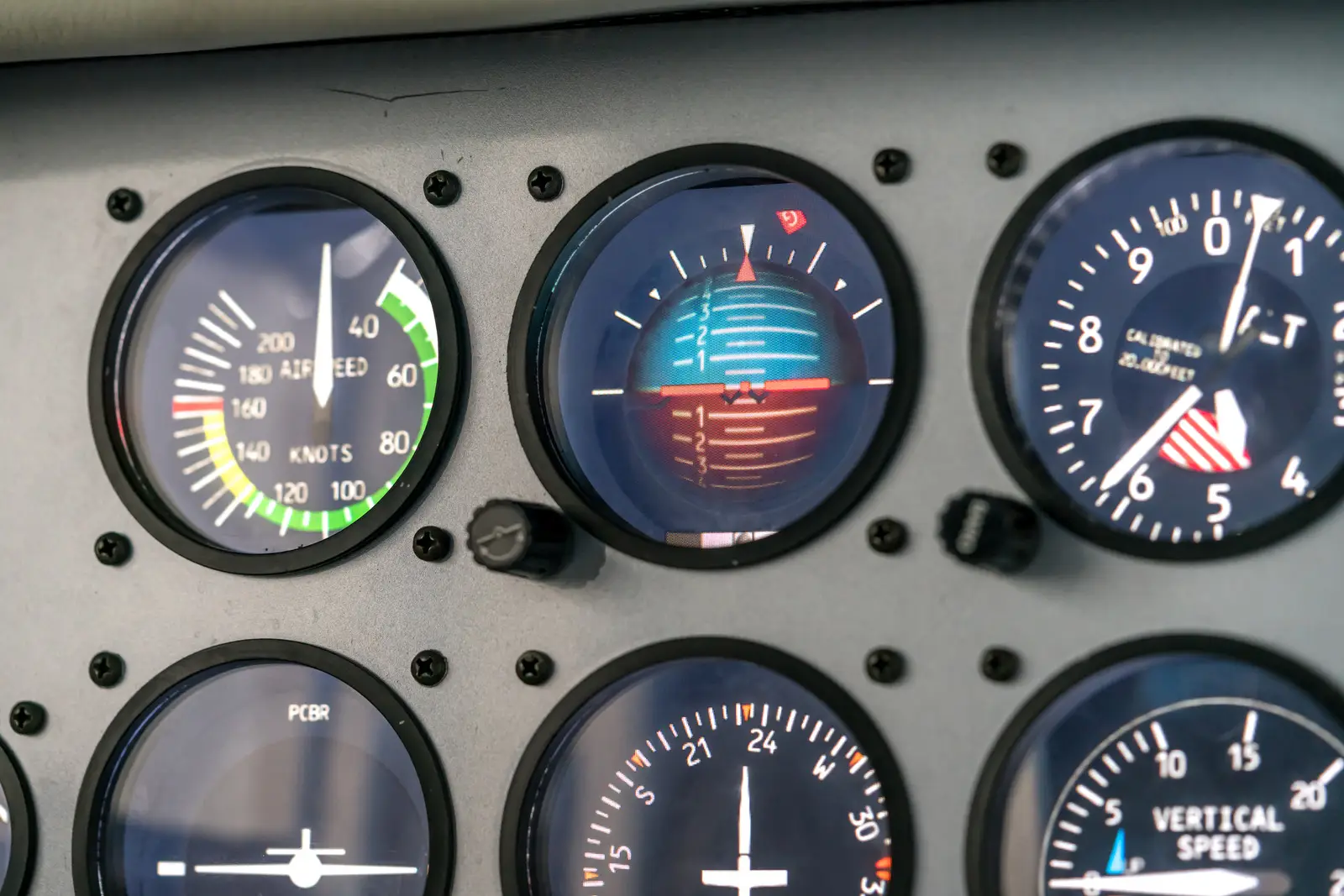
Here is something counterintuitive: a school that leases newer aircraft with Garmin G1000 glass cockpits can market a more compelling student experience than a school that owns older steam-gauge planes outright, even if the leasing school has less capital.
“Train on the same avionics you will fly in the airlines” is a powerful recruiting message. It appeals to career-track students who want training that translates directly to their first regional airline job. And it is a message that leasing makes accessible to schools that could never afford to buy a fleet of new glass-cockpit aircraft.
🔗 [Build marketing that matches your operation] → [RRM services page]
The Branding Question You Should Ask Before You Sign Anything
Before you commit to buying or leasing, answer this question: what is my school’s positioning in this market?
If you are the premium option, your fleet needs to reflect that. Modern aircraft, advanced avionics, a professional facility. Leasing newer planes may be the faster path to that image.
If you are the affordable option, your fleet needs to keep costs low. Owning older, well-maintained aircraft and passing the savings to students may be the smarter play.
If you have not answered the positioning question yet, you are not ready to make the fleet decision. The two go together.
Frequently Asked Questions
How many aircraft do I need to start a flight school?
Two is the practical minimum. One aircraft creates scheduling bottlenecks that frustrate students and limit your revenue. Two aircraft let you run overlapping lessons, accommodate weather cancellation rescheduling, and keep training moving when one plane is down for maintenance. Three is better if your budget allows it.
What is a typical lease payment for a training aircraft?
Lease structures vary widely, but dry lease payments for a mid-range Cessna 172 typically run $2,000 to $5,000 per month. Wet leases cost more because maintenance and insurance are included. Leaseback arrangements often involve no monthly payment at all; instead, you split revenue with the aircraft owner.
Can I switch from leasing to buying later?
Yes, and many schools do exactly that. Start by leasing to keep startup costs low and prove your enrollment model. Once cash flow stabilizes and you have confidence in your market, purchase your highest-utilization aircraft and continue leasing on the margin. This staged approach reduces risk at every step.
Your Fleet Decision Deserves a Strategy, Not a Guess
Buying and leasing both work. Neither is universally better. The right answer depends on your capital, your timeline, your market, and your brand positioning.
What does not work is making this decision in isolation from your marketing strategy. Your fleet shapes your pricing. Your pricing shapes your positioning. Your positioning shapes every ad, every landing page, and every conversation your enrollment team has with a prospective student.
Right Rudder Marketing is the only agency built exclusively for flight schools. We help owners connect operational decisions like fleet strategy to the marketing systems that fill seats. If you are weighing lease versus buy and want to make sure your marketing matches whichever path you choose, book a free strategy call.
More in This Series
This is part 2 of the The Flight School Money Guide series, written to be read in order.
- Cost to Start a Flight School: A Line-by-Line Breakdown. Every startup line item from aircraft to insurance to certification, and where most new owners underestimate.
- Leasing vs. Buying Training Aircraft: The Real Math. You are here.