
Fleet, with your photos
Real tail numbers on your ramp, not a stock Cirrus you do not own. Rental rates, avionics, and which aircraft each program trains in.
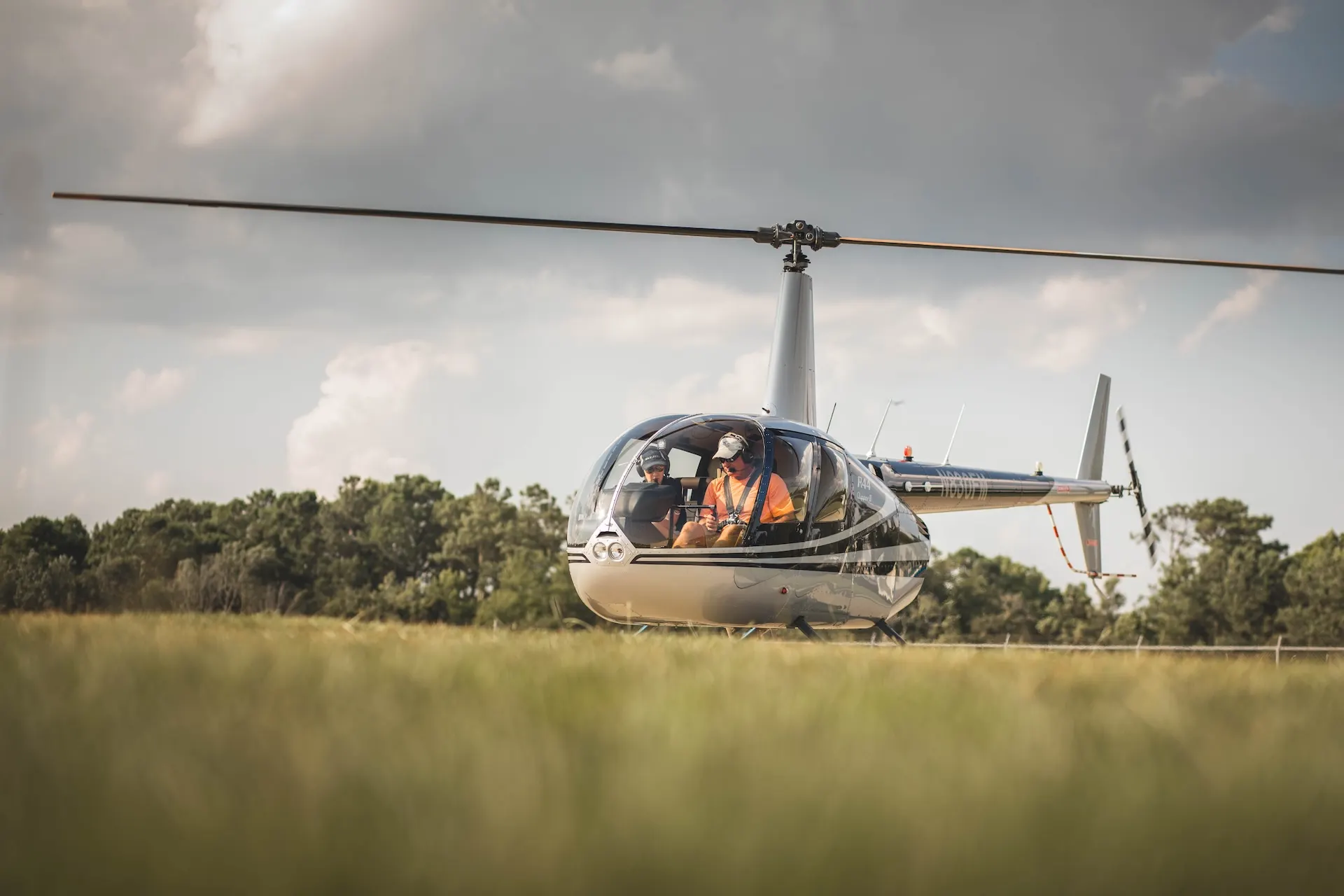
A prospect gives your site about ten seconds. In that time they look for the fleet, the instructors, the price, and a way to book. A site built for flight schools shows all four before they scroll.
Every other marketing job sends people to the site. Search, the map pack, ads, a friend's recommendation: they all end on a page you control. If that page does not answer the four questions a prospect brought with them, the rest of the budget leaks out here.
The four questions never change. What will I fly? Who will teach me? What does it cost? How do I start? A site that answers them plainly, loads in under two seconds on a phone, and books the discovery flight in two taps turns visitors into leads. A site that hides the price and ends in a contact form turns them into someone else's leads.
Try it on your own site tonight. Open it on your phone, signed out. Can a stranger name one instructor, see one real aircraft, find a price, and book inside a minute? That is the whole test, and it is the same one the website job grades in the system.
Real tail numbers on your ramp, not a stock Cirrus you do not own. Rental rates, avionics, and which aircraft each program trains in.
A prospect is choosing a person as much as a school. A name, a photo, a certificate, and two sentences in the instructor's own words.
What a private pilot certificate costs at your school, what a discovery flight costs, and how financing works. A school that hides the price gets compared on rumor.
A discovery flight page with a price, a calendar, and a phone number that gets tracked. Two taps from any page on the site.
Every site we ship has the same bones, because the same things decide whether it works. What changes is your fleet, your instructors, your market, and your programs.
Built from scratch rather than on a drag-and-drop platform. That is what gets a phone page loading fast on airport Wi-Fi, and it is why the Lighthouse scores hold after launch instead of decaying.
Private pilot, instrument, commercial, CFI, and whatever else you teach, each with its own page, its own price, and its own next step. One page per certificate is also how the search job wins those queries.
Every form submission and every phone tap fires a tracked event and lands in the CRM with its source attached. You know which channel sent each lead from day one.
Your airport, your city, and the towns your students drive from, each with a page. Schema for the school, the courses, the reviews, and the FAQs, so Google and the AI tools can read the site, not just render it.
Your Google reviews pulled onto the program pages and the booking page, next to the price, where a prospect is weighing the decision.
Flight Schedule Pro, Flight Circle, or whatever runs your ramp, linked from the site so a booked flight lands where your dispatcher already looks.
The full checklist of what a flight school site needs is in the ten elements every flight school website should have. Use it to grade your current site before you decide anything.
Averages hide failures, so here are two schools by name, with the months.
Hawkins Flight Academy started in July 2025 with a site that tracked nothing and a Lighthouse performance score of 61. The custom-coded rebuild took performance to 79 and SEO, accessibility, and best practices to 100 each, and held them. With forms and calls wired to a source, the school counted 348 leads in the first six months, 121 of them from forms on the new site, at $47.90 a lead across all channels.
Summit Flight Academy doubled monthly website visitors, up 105%, within three months of the new site and the marketing behind it. Inquiries went from 22 a month to 53. The site did not do that alone; the search and ads jobs sent the traffic. The site is what turned it into 53 inquiries instead of 22.
Two ways to get a site from us, and the difference is honest. The Ramp Up program ships a templated site: our structure, your branding, your content, and your photos. The Six Pack program ships a custom site designed around your school, your programs, and your market.
The templated site is the same bones as the custom one, with the same speed, the same tracking, and the same program pages. What it does not have is a layout built around what makes your school different. For a school with one to three aircraft that needs a working site this quarter, that trade is usually right. Most schools that start there move up inside a year.
The prices and every inclusion are on the pricing page. The onboarding fee covers the build in both programs.
A site that converts still has to be found. The Website and SEO Performance Checklist covers the layer under the design: page speed, schema, crawlability, and the local signals that decide the map pack.
The buyer. A prospect is deciding whether to spend months and a large sum learning to fly, and they decide over weeks. The site has to answer four questions before they scroll: what will I fly, who will teach me, what does it cost, and how do I start. That means a fleet page with your own photos, instructor pages with faces, prices on the page, and a discovery flight booking two taps from anywhere.
A templated site on the Ramp Up program launches in weeks, because the structure exists and the work is your content and photos. A custom site on the Six Pack program takes longer, since the layout is designed around your programs and market. Either way, tracking and the booking page ship with the site, not after it.
You do not have to, and most schools that hide them regret it. A prospect who cannot find a price assumes the worst or gets a number from a forum. Put the discovery flight price, a realistic private pilot estimate, and the financing options on the page. Schools that do get fewer tire-kicker calls and more booked flights.
Yes. Flight Schedule Pro, Flight Circle, and similar tools link from the booking page so a booked discovery flight lands where your dispatcher already looks. What we do not do is replace your scheduler with something new.
No. A fast site with program pages and schema gives the search job something to work with, but the rankings come from the search, local presence, and content jobs running on top of it. The Ramp Up program includes the site and a monthly KPI report; keyword work starts on Six Pack.
Yes, as its own job in the system. Flight school SEO covers keyword clusters, program and location pages, and the technical layer. The website design work sets up the structure that job needs; the SEO service runs it month to month.
Aviation web design is mostly about the questions a prospect asks before a discovery flight: what it costs, how long it takes, which aircraft, how to pay. A general agency learns those on your clock. SimpliFly and Sun City Aviation Academy both arrived from agencies that needed flight training explained to them, and both said the back-and-forth was the expensive part. Aviation website development here starts from pages that already answer the student's questions, then adds your school's specifics.
Every URL that earns traffic today gets a redirect to its new home before launch, so the rankings move with the site instead of resetting. We pull the list from Search Console, not from memory.
Send us your URL. A real person goes through your website, your rankings, your Google Business Profile, and what happens after someone fills out your form.
 Free checklist
 The audit points we run on every school's site: technical SEO, page speed, schema, and the local signals that decide the map pack.